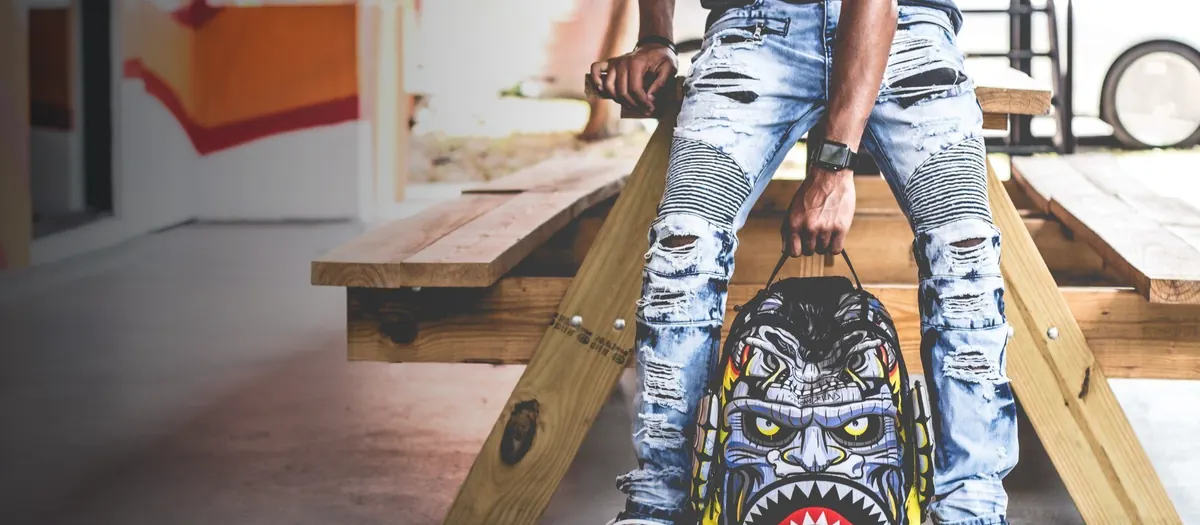
Custom Distressed Jeans
Development and Production
We develop and manufacture custom distressed jeans for designer and streetwear brands, bringing rips, abrasion and raw edges together with fit, denim, construction and wash.
Distressed details.
Designed around the whole pair.
Explore ripped, abraded and frayed jeans as complete garments. Start with a direction for your collection, then develop the placement, fabric and finish around it.

Knee-rip baggy jeans
Knee openings planned around a loose silhouette and the finished leg shape.

Distressed stacked jeans
Distressing mapped across an extended leg, with stacking and hem length in view.
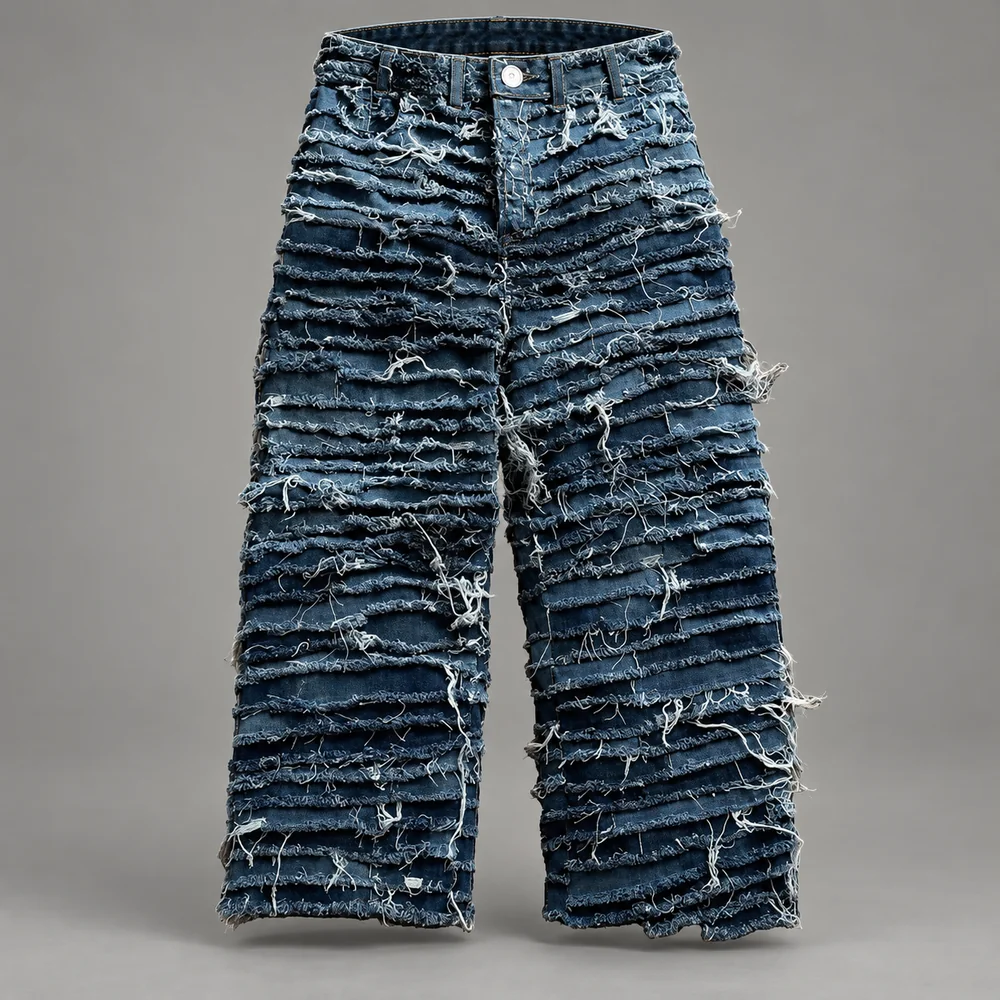
Raw-hem jeans
Frayed hems developed with the final washed length and intended edge finish.
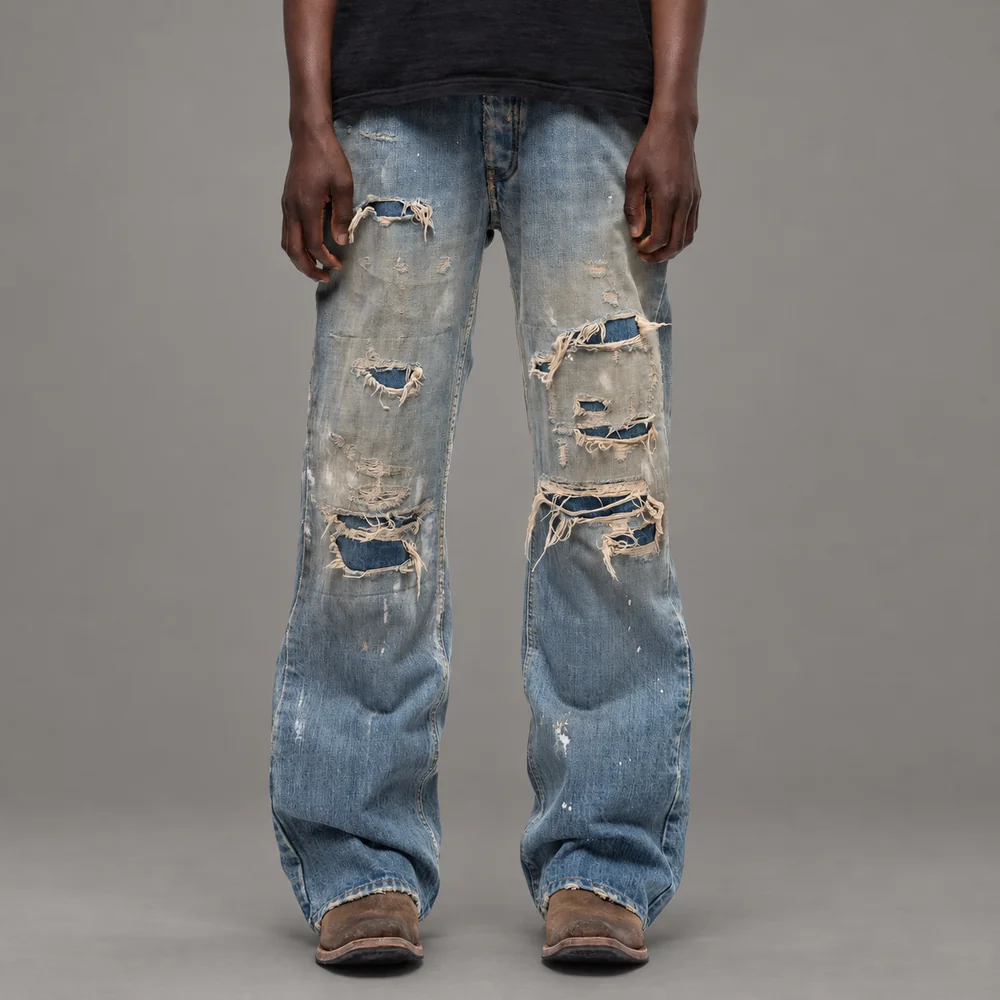
Vintage abraded jeans
Worn surfaces and faded areas balanced across the front and back of the jeans.

Multi-zone destroyed jeans
A stronger destroyed look, with opening size, exposed threads and support reviewed together.
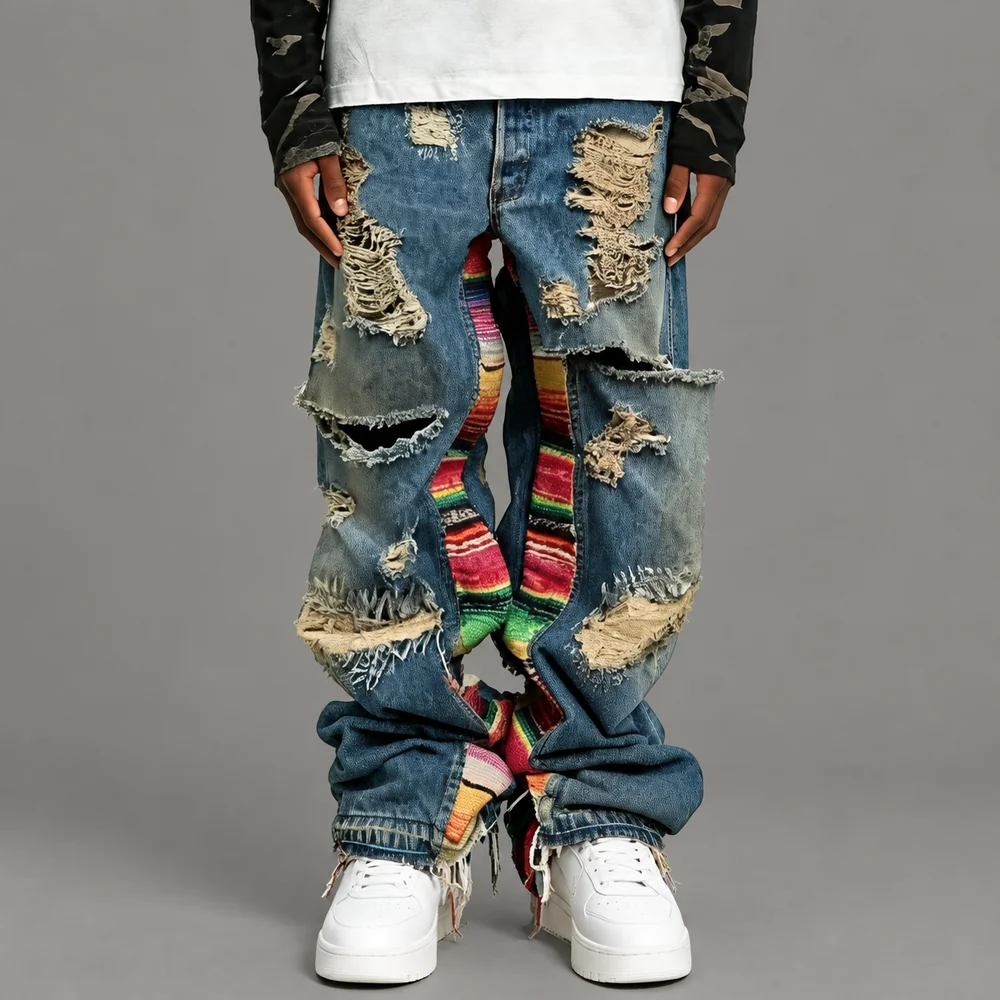
Backed-rip jeans
Openings combined with backing fabric or repair stitches where the design calls for them.

Washed & distressed jeans
Tears and abrasion developed as part of the final shade, contrast and hand feel.
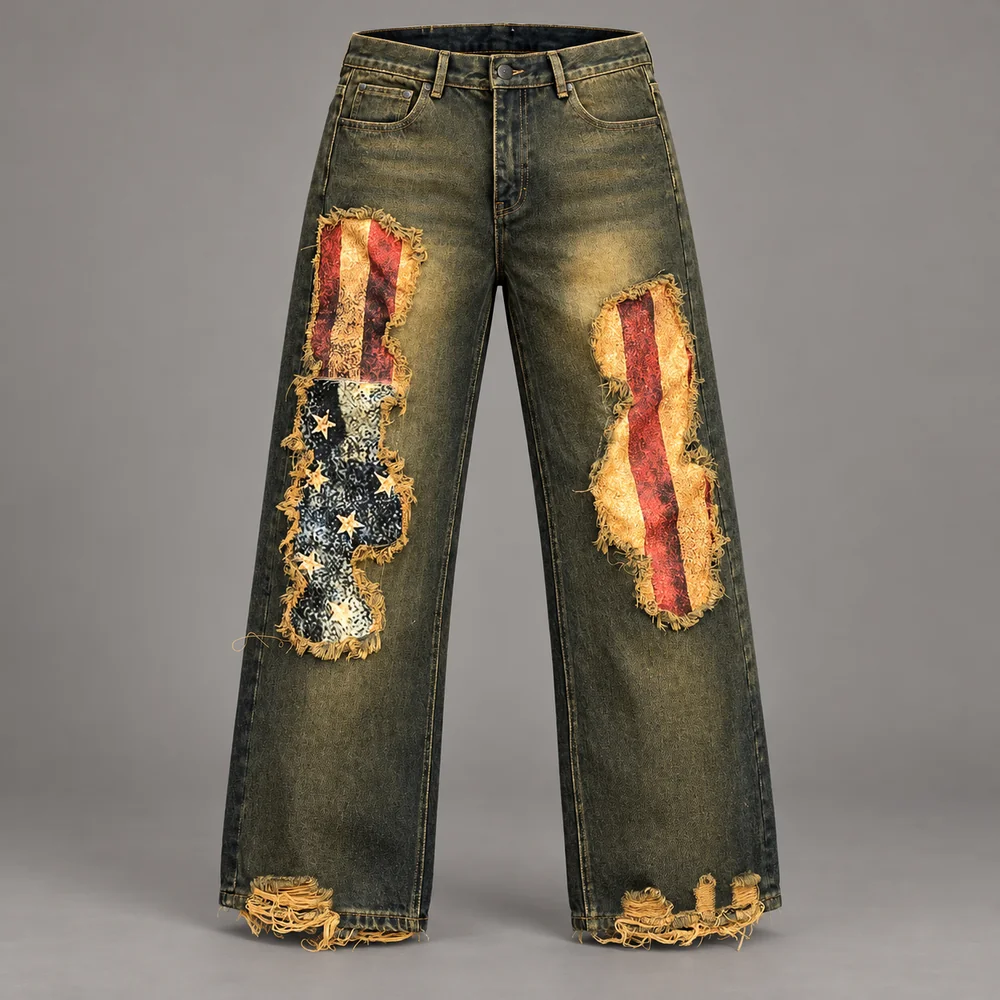
Mixed-craft distressed jeans
Ripped details coordinated with print, embroidery or patchwork on a complete pair.
Have a similar direction for your next jeans collection?
Discuss your jeans project ↗The craft behind the complete pair.
Four ways to develop a distressed look, with placement, construction and the finished wash considered together.

Rips, slashes & exposed threads
From a narrow knee slash to a wider opening, the effect starts with a clear placement map. We review the opening shape, retained threads and distance from seams against the complete jeans design.
- Define the look
- Front and back locations, opening dimensions and the amount of thread coverage.
- What we review
- Fit, seam proximity, pocket placement and areas that may need backing.
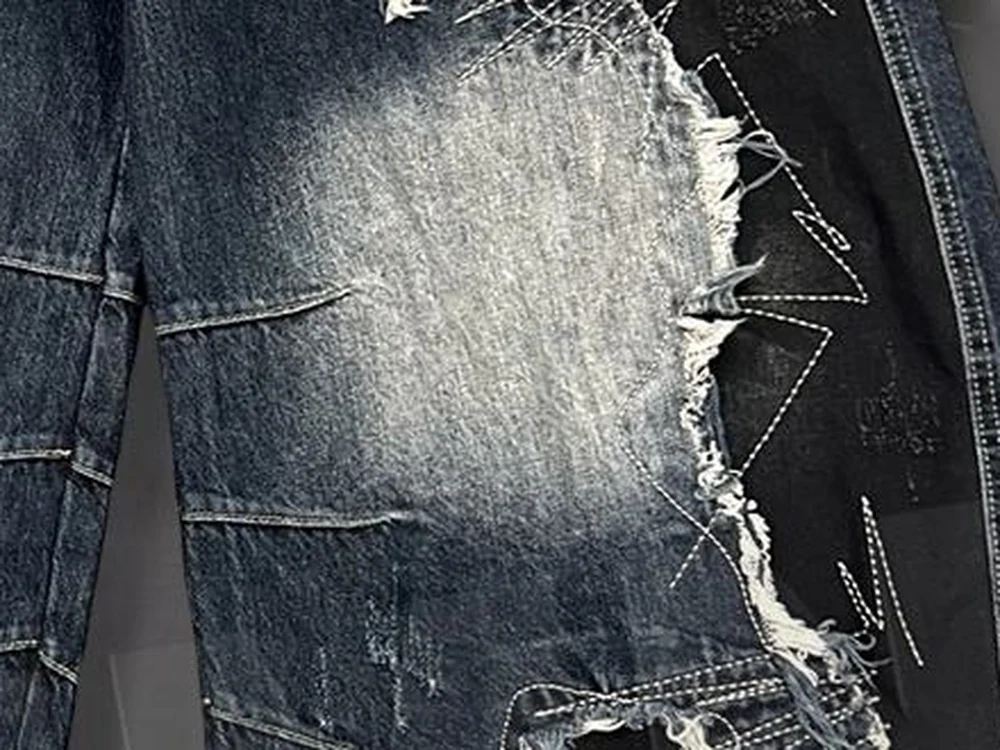
Abrasion, whiskers & worn-in surfaces
The character of worn denim comes from where contrast sits on the garment. We develop the abrasion and whisker direction around the fabric, wash shade and leg shape, then review the effect on a finished sample.
- Define the look
- A marked reference showing faded zones, whisker direction and areas to keep darker.
- What we review
- Surface contrast, fabric response and the balance between front and back.

Raw edges, frayed hems & repairs
An unfinished-looking edge still needs a defined finish. We review fray length, cut shape, backing and repair stitches alongside the garment measurements and intended appearance after washing.
- Define the look
- Hem shape, visible fray and whether the design includes a backing or repair detail.
- What we review
- Finished length, edge stability and the interaction with side and inseam construction.

Distressing with wash & mixed crafts
Distressing works as part of the whole garment. Wash, print, embroidery and patchwork can change how a damaged area looks and feels. We review their sequence and overlaps through sample development before agreeing the production reference.
- Define the look
- The complete design, including wash references and every craft that touches the distressed area.
- What we review
- Craft placement, process sequence, colour transfer and the final washed appearance.
Define the damage.
Agree the production reference.
The visual direction matters. So do the position, remaining structure and agreed limits of variation.
01Placement
Mark reference points, dimensions and areas to keep intact. Size grading and acceptable placement variation are agreed against the approved sample, rather than a universal tolerance.
02Strength
Review openings near knees, pockets and seams, with backing or reinforcement where needed. If testing is required, agree the method and acceptance criteria for the finished garment.
03Repeatability
Use an approved finished sample, a marked distressing map and agreed inspection photos as the production reference. Define acceptable variation in thread exposure, shade and opening shape.
The factory behind your jeans.
Meet the production side of your project: the people, garments in progress and everyday work that turn a design into a finished pair.
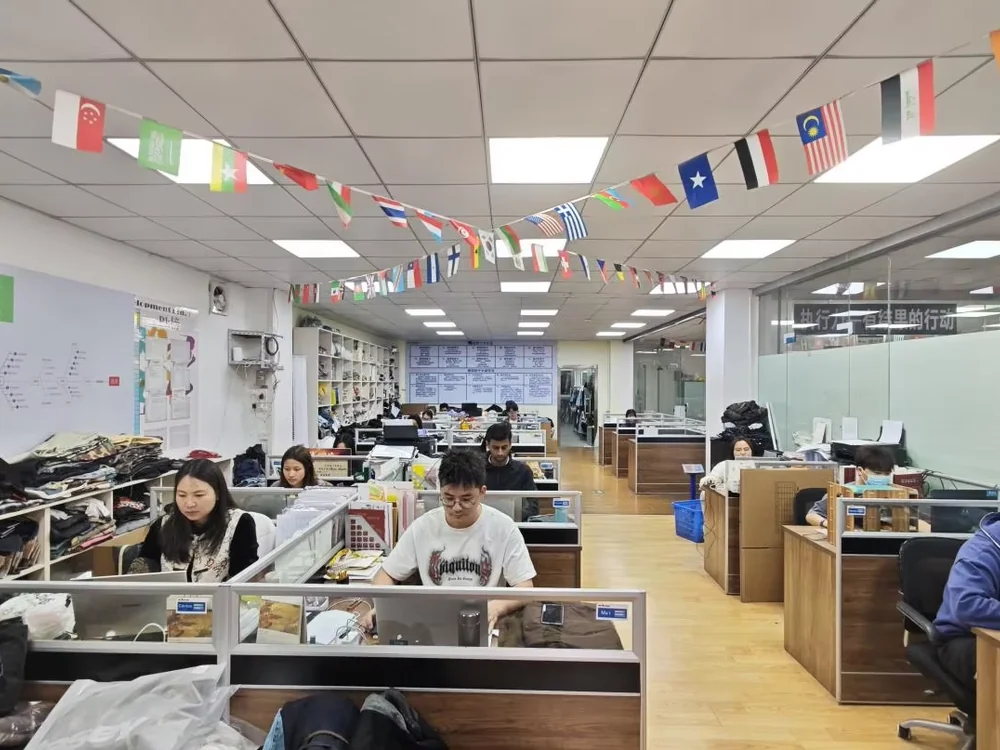
Factory overview / Denim production floor
A denim team behind
the finished pair.
DiZNEW develops and manufactures complete jeans projects for brands. Fit, fabric, construction, distressing, wash and finishing are brought together through a shared garment brief.
- Garment manufacturing
- Cutting, sewing, finishing & packing.
- Craft coordination
- Specialist finishing and wash coordinated around the garment brief.
- Project development
- Design references and production requirements reviewed together.
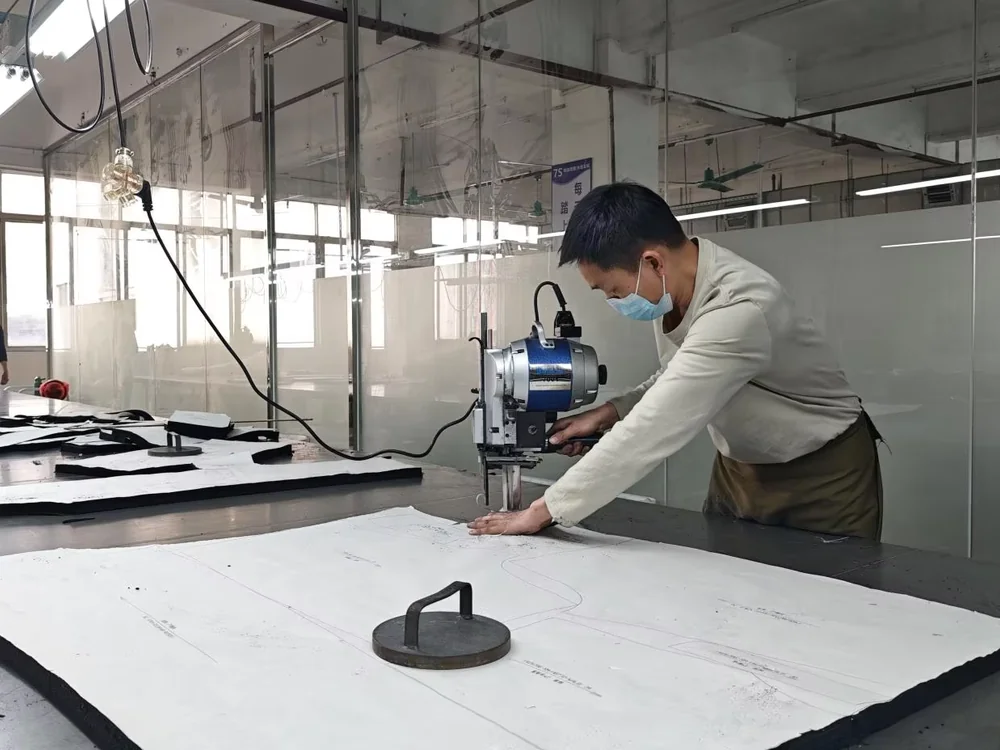
01Cutting
Patterns and fabric pieces prepared for the jeans construction.
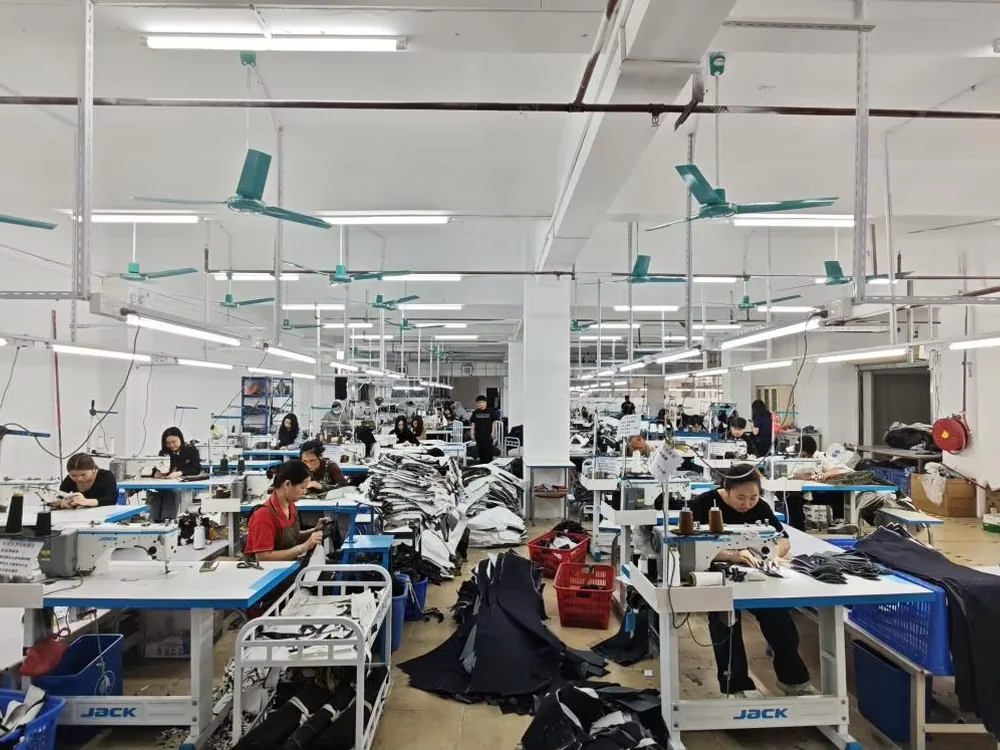
02Sewing
Denim panels and garment details brought together on the sewing floor.
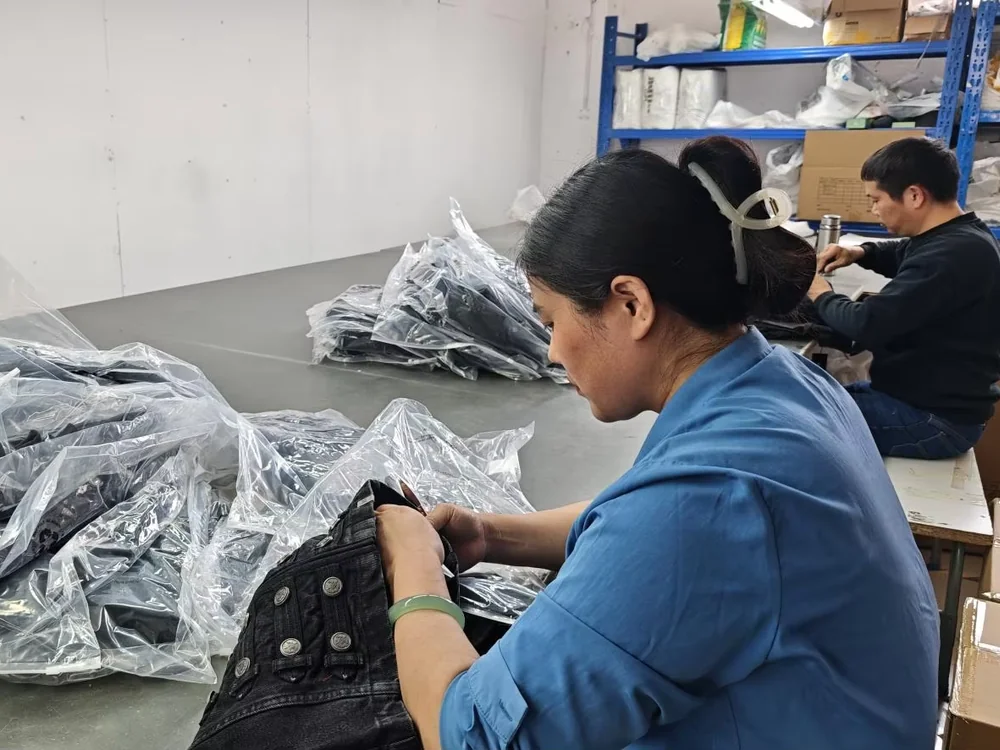
03Finishing & packing
Finished jeans handled and prepared for packing.
Connect your design brief with the team behind the jeans.
Start the project discussion ↗What to prepare for your project.
A jeans reference and a marked distressing photo are enough to start the conversation. Share the following as they become available.
- 01
Jeans concept & fit
Share front and back references, a sketch or a tech pack. Include the fit and intended leg shape.
- 02
Marked distressing references
Show locations, opening sizes, exposed threads, abrasion zones and areas to keep intact.
- 03
Denim & wash direction
Add composition, weight, stretch and base shade if known, plus a reference for the finished wash.
- 04
Construction & other crafts
Note backing, repairs, raw hems, print or embroidery, especially where these meet distressed areas.
- 05
Order & quality requirements
Include quantities, sizes, branding and target market. Share any required care or durability tests.
- 06
Timing & budget
Tell us your target sample or launch date, budget and currency, and which details need development.
What happens after you send your brief?
From the first conversation to an agreed sample plan.
01Review the complete concept
Discuss the fit, fabric, distressing, wash and other crafts together.
02Clarify the development route
Map the locations, opening shapes and construction details that need sampling.
03Agree the sample plan
Confirm the sample scope, costs and timing before moving into development.
Distressed jeans.
Your questions, answered.
Practical questions about the design, fabric, placement and sample brief.
Do you manufacture complete jeans or only add distressing?
We develop and manufacture complete custom jeans. Distressing is reviewed together with the fit, denim, construction, wash and finishing, so the project starts from the finished garment you want to create.
Can I start with a reference photo?
Yes. Send the jeans reference and mark the areas you want to develop. A photo sets the visual direction; dimensions, materials and sample requirements still need to be clarified before production.
How is distressing placement controlled across sizes?
The placement map should use clear garment reference points. During sampling, we review how the locations relate to the fit and size range, then agree the grading approach and acceptable variation against the approved sample.
Can every denim fabric take the same distressed effect?
Fabric construction, weight and stretch can change the appearance and stability of an opening. We review the proposed effect on the intended fabric and finished wash before confirming the sample direction.
How do you review durability and the final washed look?
We review the finished sample for opening shape, retained fabric, seam proximity and any backing or reinforcement. If your market or product brief requires testing, the method, sample scope and acceptance criteria are agreed for the project. A visual review does not replace a laboratory test report.
What are the MOQ and development lead time?
These depend on the style, fabric, wash, distressing complexity, other crafts and order quantity. Send your reference and target timing so we can review the scope and quote the sample and production plan.
DiZNEW Denim Lab / Custom jeans development & manufacturing
Back to top ↑